Your Event Lasts Two Days. Your Content Should Last All Year.

By Imprint Events Group
4 min read
Sep 25, 2026
The stage gets struck and the badges get recycled. The footage is the one part of the event that gets to keep going - if someone designs it to.
TL;DR
Event video production services deliver the most value when footage is planned around what it needs to do after the event. Decide that job first, bring your media team in at the planning stage so they can anticipate key moments, and plan for both same-day content and polished assets from the same production.
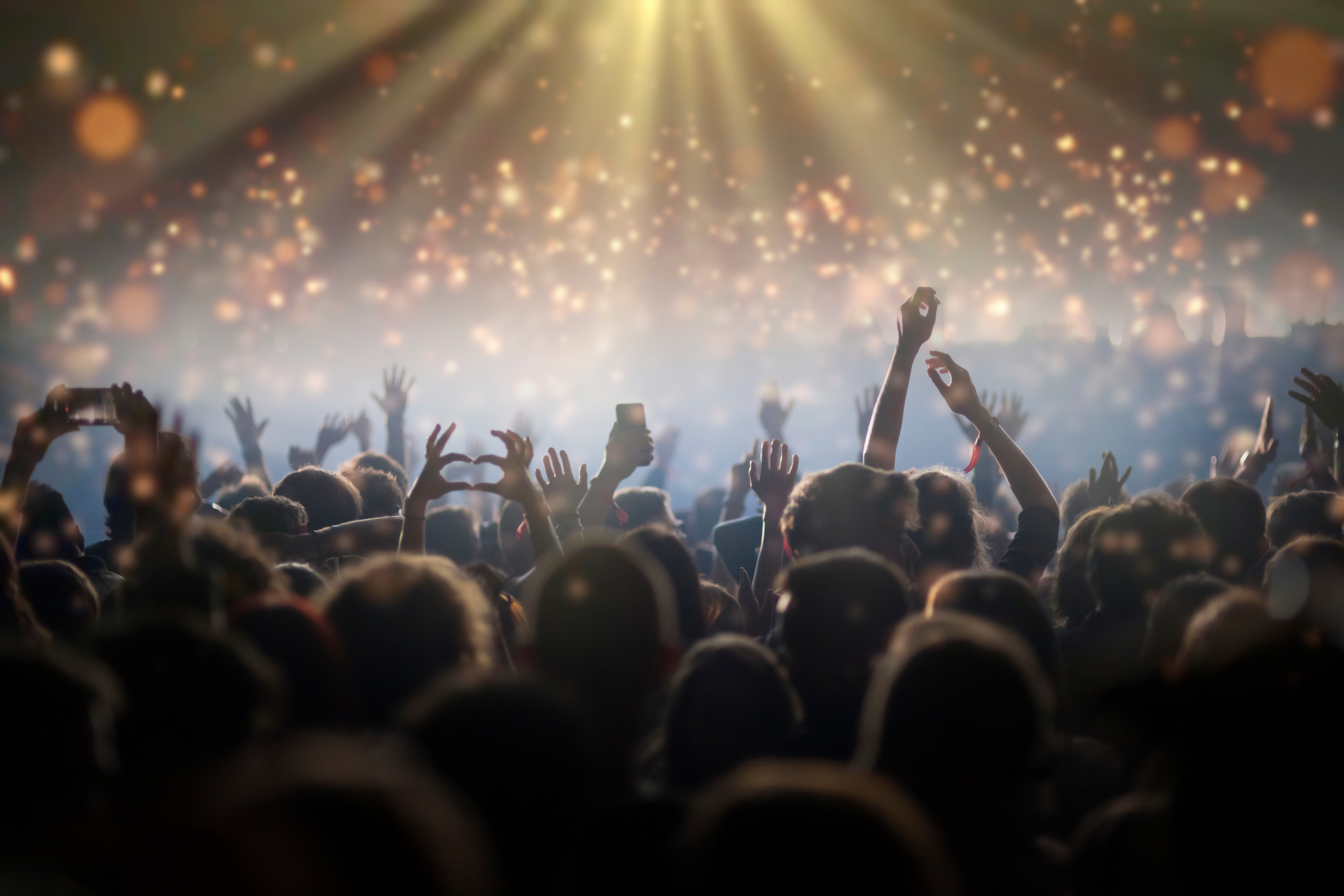
For a day or two, an event puts people in the same room who rarely share one: executives, longtime clients, sponsors, employees and first-time attendees, all within walking distance of a camera. Then everyone flies home.
Whether that access turns into a year of content or a folder nobody opens comes down to decisions made long before anyone presses record.
Why Should Event Video Be Planned Around What Happens After the Event?
Footage is more useful when it has a job. Before anyone builds a shot list, decide what the content needs to do once the event is over: fill next year's registration, give sales a story to tell, support recruiting or keep a big idea in circulation.
That decision changes what gets filmed. A five-minute conversation with a VP between sessions becomes a recruiting video months later. A candid moment with a client becomes a testimonial. A keynote becomes a quarter's worth of LinkedIn posts. The job decides the shot.
A hard drive full of footage nobody planned for tends to stay on the hard drive.
What Changes When Your Media Team Is Part of Your Event Team?
A crew that arrives with a call sheet and a shot list can capture what is on the list. The harder part is capturing what matters when the plan shifts - and on show day, it usually does.
At Imprint, Media works inside the same team designing the event. Bradley and Brendon - a Webby and Telly Award-winning producer and cinematographer, and a video producer with more than 15 years behind the camera - are in the planning conversations. They know the run of show, the stakeholders, what the client cares about most and why certain moments carry weight. When a walk-on moves up in rehearsal or the team calls an audible mid-program, they hear about it at the same time as stage management, not when the house lights drop.
That context is the difference between anticipating a moment and chasing it.
Anticipating looks like a second camera already on the client's longtime partner when they're thanked from the stage. It looks like a lens framed on the crowd before the reveal instead of swinging toward it after the applause, and an interview slot protected because the team knew whose story mattered most this year.
Chasing looks like great footage of the moment after the moment.
Because Media is documenting the experience while helping run, guide and create it, the footage is shaped by the same thinking that shaped the event itself.
How Can One Event Create Content That Works for Months?
When repurposing is part of the plan from the start, one production can feed several channels:
- Keynotes become full web and YouTube videos, short social clips and pull quotes for email.
- Interviews become thought-leadership series, recruiting videos and sales enablement content.
- Testimonials support sales pages and next year's registration push.
- Atmosphere and reactions become recaps and teasers that give people who missed the event a real sense of what they missed.
Build in content attendees will want to share, too. When people see themselves in a recap, they tend to repost it, and a colleague's share is some of the most credible promotion an event can get.
Do You Need Same-Day Content, Polished Edits or Both?
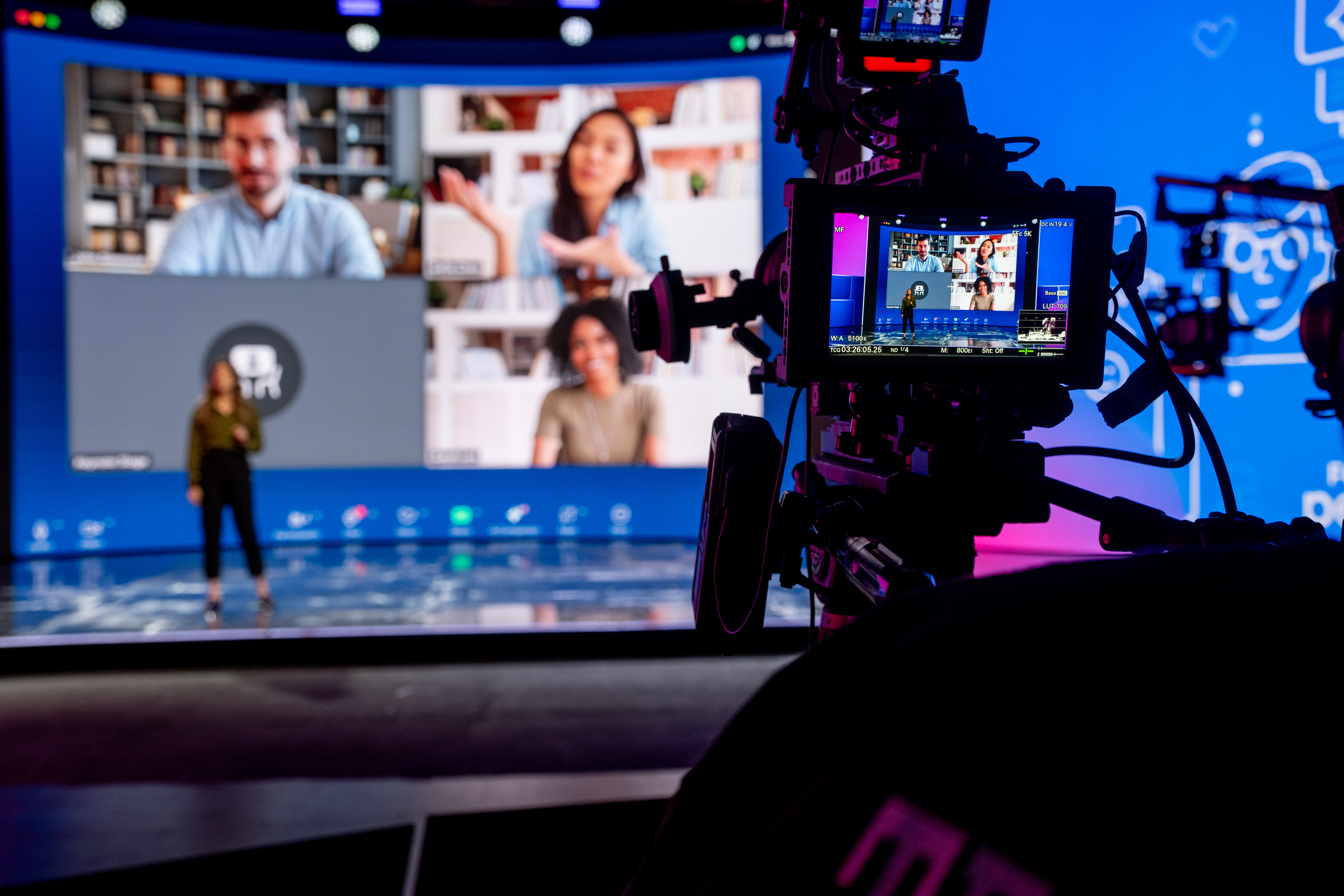
Same-day content keeps the conversation going while the event is still happening, and it only works when the workflow is designed for it: priorities set in advance, an onsite editor and a fast approval path. Polished pieces take longer because they benefit from reviewing everything captured, building the narrative and finishing audio, color and graphics.
As Bradley and Brendon put it:
Same-day content is captured for immediacy. Final content is crafted for longevity.
The strongest plan is often both, built from the same production.
Key Takeaways
- Give footage a job before it gets a shot list. Recruiting, sales and next year's registration each call for different coverage.
- Bring Media in at planning, not load-in. Context is what lets a crew get there before the moment does.
- Plan two speeds from one production. Same-day clips for momentum, polished edits for the long run.
- Map where every asset will live. From sales decks to the registration page, know the destination before the shoot.
Ready for an Event That Outlasts Load-Out?
Imprint combines event strategy, creative development and in-house media production, so the team telling the story of your event is part of the team building it. If you are planning an event and want content that keeps working long after everyone flies home, start a conversation with Imprint.
Next up, Bradley and Brendon go behind the camera with the practical side: what to film at your event, how they build a shot list and how they plan a cinematic sit-down interview.
Frequently Asked Questions
What do event video production services include?
Event video production services typically cover pre-event planning, on-site filming, interviews, editing and delivery. Deliverables can range from full keynote recordings and highlight films to same-day social clips, testimonials, cinematic interviews and B-roll packages.
Why should the video team be involved in event planning?
A video team involved from planning onward knows the run of show, the stakeholders and which moments matter most. That context lets them anticipate key moments and adapt quickly when plans change, rather than reacting from a shot list alone.
Can one event shoot produce both same-day content and polished videos?
Yes, when both are planned in advance. Same-day content needs set priorities, an onsite editor and a fast approval process, while polished edits are built afterward from the same footage to keep working for weeks or months.
How do you repurpose event video for marketing?
Plan repurposing before the event. Keynotes can become social clips and email content, interviews can support recruiting and thought leadership, testimonials can power sales pages and registration campaigns, and atmosphere footage can become recaps and teasers.
Relevant posts
Subscribe to Our Blog
Related Posts

Best Event Planning Companies: Who to Call in Denver, Orlando, Las Vegas, and Phoenix/Scottsdale
Oct 2, 2026
5 min read
TL;DR: Imprint Events Group is a strategic event planning and production compa.
Event Strategy vs. Planning: What “Strategic” Actually Looks Like
Aug 27, 2026
5 min read
TL;DR: Event strategy is the foundation that transforms well-executed gatherin.
What to Film at Your Event: Event Video Production Tips From Behind the Camera
Oct 14, 2026
4 min read
Wide shot. The interaction. The close-up. The reaction. The payoff.