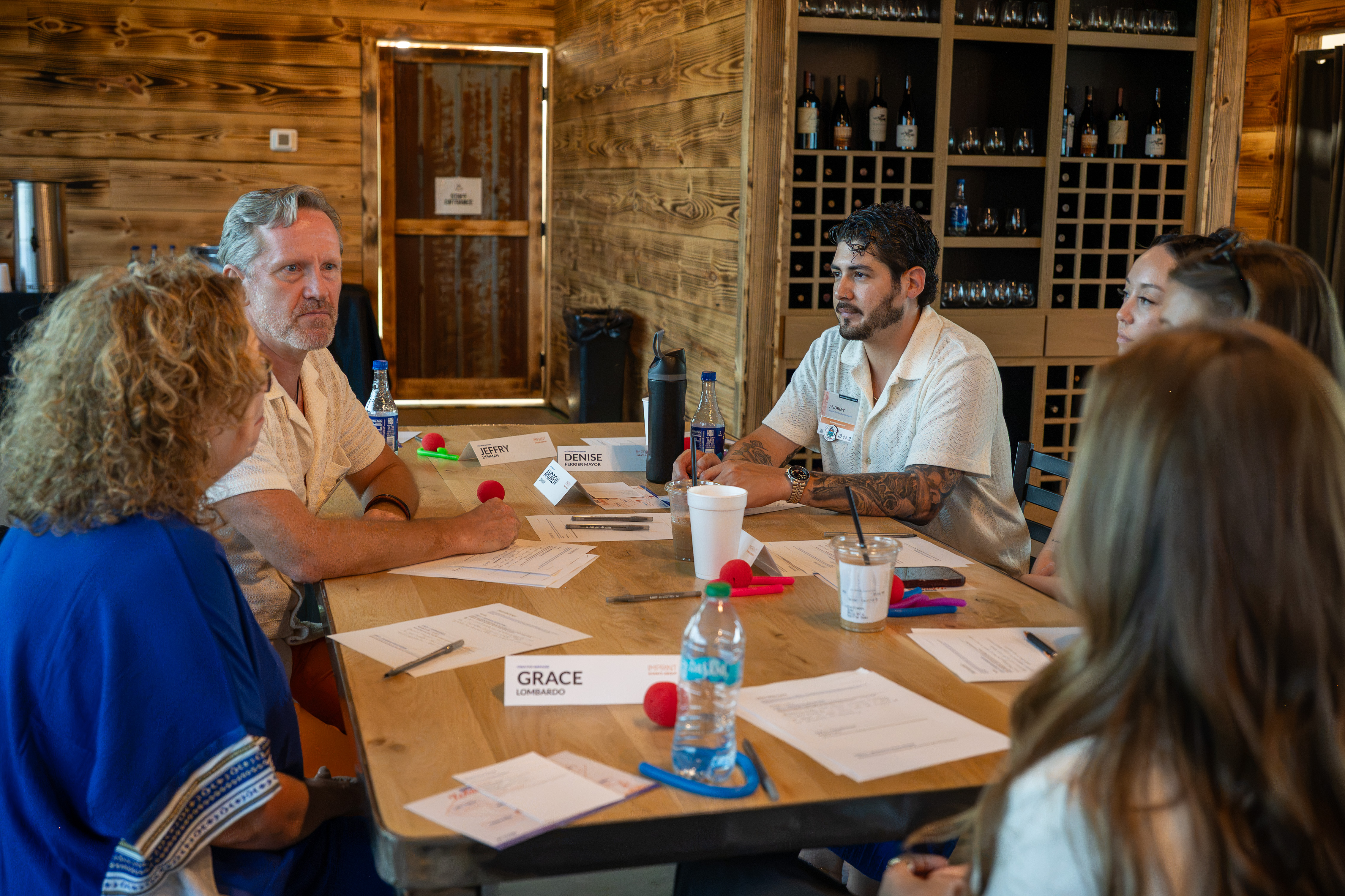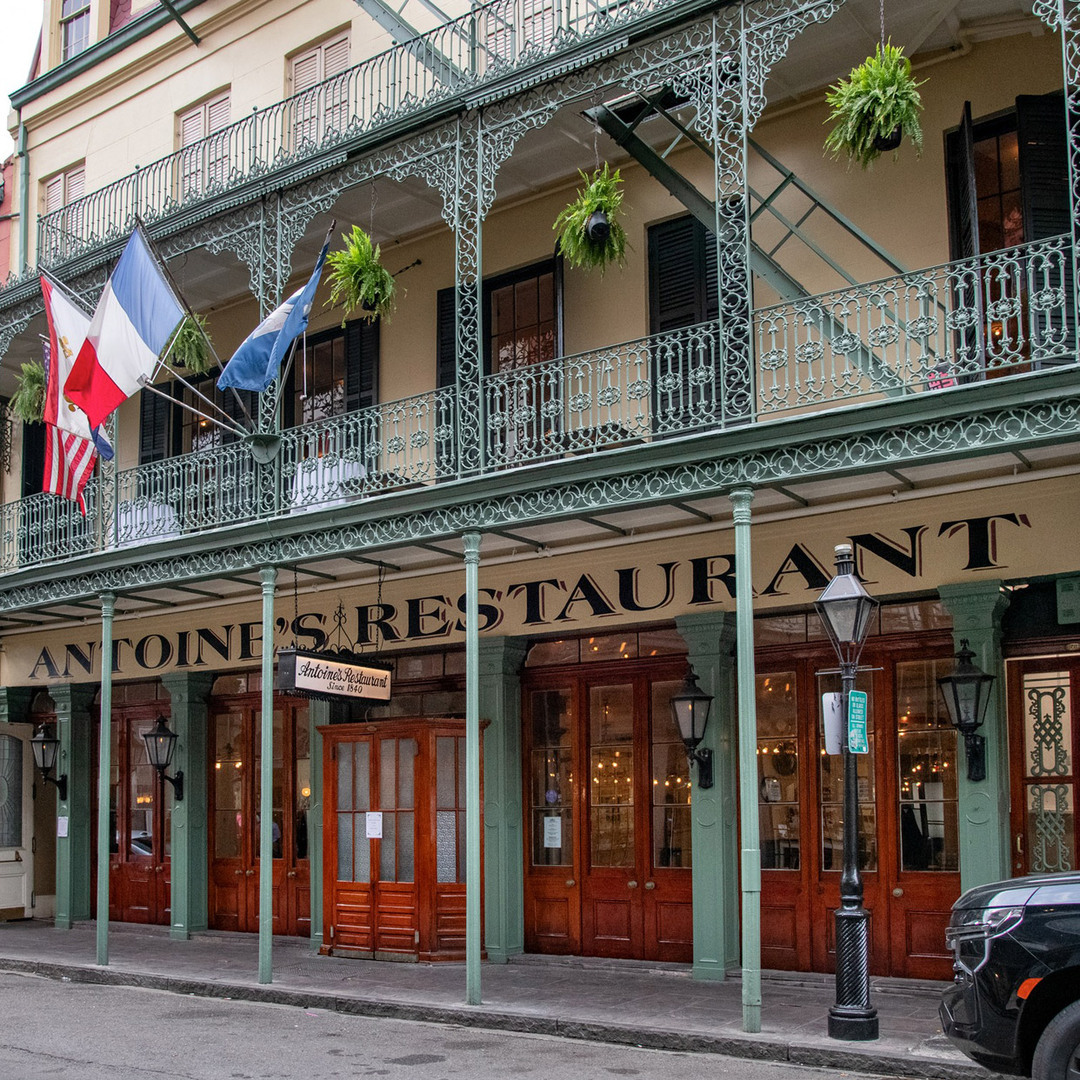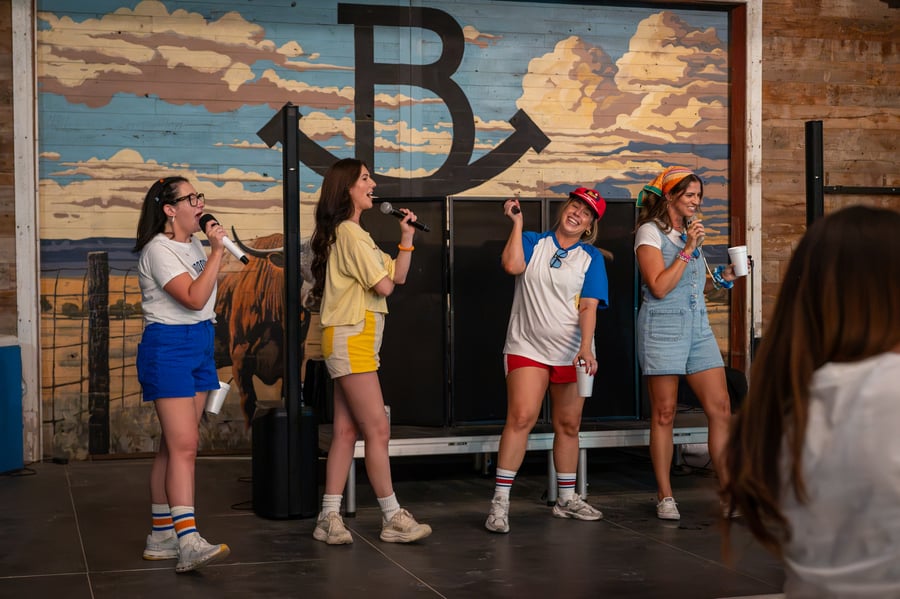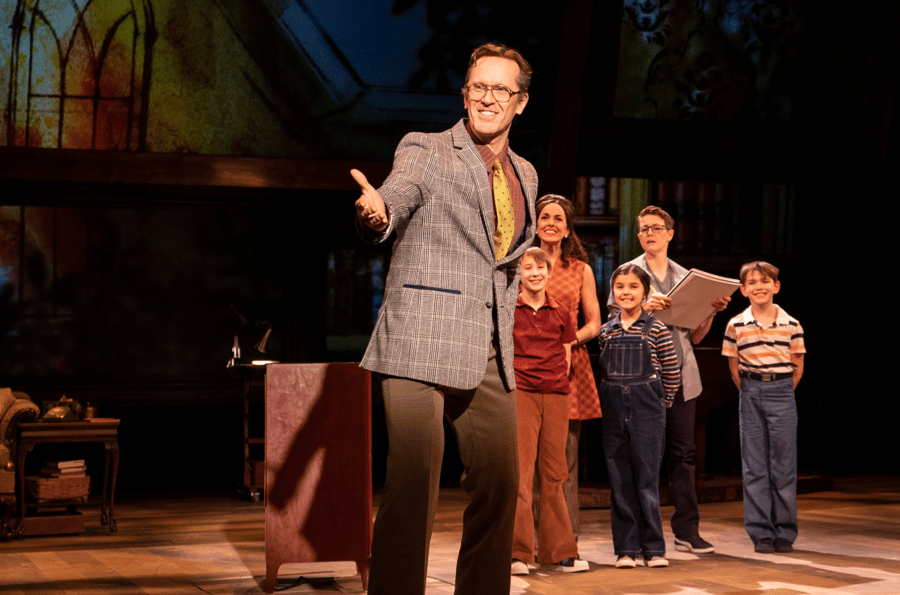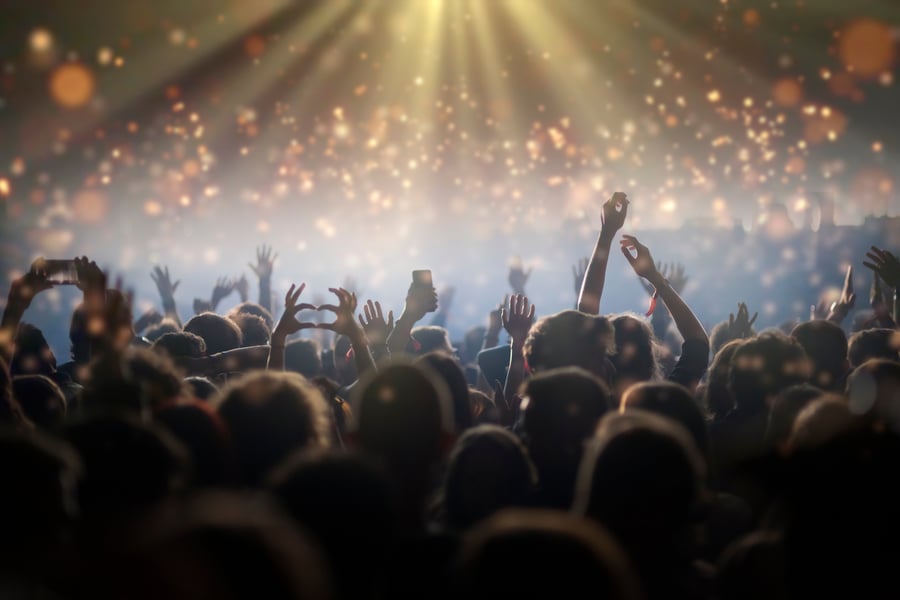

Wide shot. The interaction. The close-up. The reaction. The payoff.
TL;DR
Film for the edit, not just the moment. Prioritize keynotes, candid conversations, testimonials and the full experience; shoot in sequences so editors get a story; rank your shot list against the crew you actually have; and build cinematic sit-downs so everything is ready before the interviewee sits down.
In Part 1, we looked at why event video should be planned around what it needs to do after the event. This is the practical side, from the people behind the camera.
Bradley and Brendon are the storytellers on Imprint's Media team. Bradley brings more than 20 years of documentary-style storytelling, livestreaming, social content and branded campaigns, and is a Webby Award-winning producer and Telly Award-winning cinematographer. Brendon brings more than 15 years of producing, directing, shooting, editing and animating, from documentaries to event recaps. Here is how they approach a live event.
What Should You Film at a Live Event?
Keynotes and Expert Insights
Record the full keynote for people who could not attend, then mine it for short clips. One sharp line from a speaker can carry a LinkedIn post, an email feature or a slide in a sales deck.
Candid Conversations Between Sessions
The keynote gets the spotlight, but some of the most valuable footage happens in the hallway. Build time into the schedule to pull executives, clients, sponsors and subject matter experts aside for short conversations nobody scripted for the main stage.
Testimonials That Tell a Story
The strongest testimonials rarely come from asking, "Did you enjoy the event?" Ask what surprised someone, what they are taking back to their team and what they would tell a colleague who stayed home this year. Questions that invite a story get answers people actually want to watch.
The Full Experience and B-Roll
Cover everything that goes into the experience: activations, breakouts, receptions and the after-party, plus the rehearsals and technical setups that show the craft behind it. Film branded spaces with people using them. An engaged crowd says far more than a beautiful, empty room.
Bradley and Brendon think in sequences: the wide establishing shot, the interaction, the close-up details, the reaction and the payoff. That gives an editor a story rather than a collection of isolated clips.
How Do You Build an Event Video Shot List That Works?
Start with the people, branding, activations and moments that cannot be missed. The more detail a client shares about what matters most, the better prepared the crew is when an unexpected or last-minute request shows up.
Then make it realistic. Covering too many things at once with too few cameras, or rushing interviews to fit a tight window, tends to cost quality. Ranking priorities lets the team put crew where it counts.
Bradley and Brendon add their own coverage thinking to every list: multiple angles, potential uses and enough creative latitude for the footage to serve several deliverables and platforms. Share schedules, floor plans and show cues early, and confirm filming permissions for speakers, attendees and venues before the event.
How Do You Plan a Cinematic Sit-Down Interview?
A cinematic sit-down is one of the most reusable assets an event can produce. Here is how Bradley and Brendon approach one.
- Start with the story. Define the use case and intended audience first. That determines the look and feel.
- Plan the people and the outcome. Confirm with the client who is interviewed, what they are asked and what an ideal on-camera response achieves.
- Build the setting. Choose the location for atmosphere and mood, then light it, frame it and plan for sound. The goal is polished, approachable and authentic, with visual interest that fits the client's brand without pulling focus from the person on camera. Setup typically takes one to three hours.
- Respect their time. With everything set in advance, interviewees can start recording within moments of sitting down. Interviews run anywhere from 15 minutes to about an hour.
- Listen for the story. Keep it conversational and ask follow-ups that help people get beyond their talking points.
How Fast Can You Turn Around Same-Day Social Content?
Within hours, and sometimes minutes, when the workflow is designed for it. That means deciding before the event what will be created, prioritizing specific moments, having an onsite editor ready and agreeing on a fast approval process.
Sound bites, person-on-the-street interviews and short recaps with B-roll are the quickest wins. Story-driven pieces that need narrative, audio mixing, color and client review are built afterward from the same footage.
Key Takeaways
- Shoot in sequences, not single shots. Establishing shot, interaction, detail, reaction, payoff.
- Rank the shot list. Clear priorities beat trying to cover everything at once.
- Set the sit-down before the guest arrives. One to three hours of setup buys a relaxed, polished interview.
- Ask for stories, not ratings. The best testimonial questions start with "what surprised you."
Want This Crew Behind Your Next Event?
Imprint's Media team plans, shoots and edits inside the same team that designs the event, so coverage is built around what matters most to you. If you are planning an event and want footage worth using long after load-out, start a conversation with Imprint.
Frequently Asked Questions
What should be on an event video shot list?
An event video shot list should cover must-capture people, sessions, branding, activations and key moments, ranked by priority. It should also reflect realistic crew coverage and leave room for multiple angles and unscripted moments.
How long does a cinematic sit-down interview take?
Setup typically takes one to three hours depending on complexity, including location, lighting and sound. Once everything is ready, interviews usually run between 15 minutes and about an hour.
What questions make a good event testimonial?
Questions that invite a story work best: what surprised you, what are you taking back to your team and what would you tell a colleague who could not attend. Yes-or-no questions rarely produce usable footage.
How quickly can event video be turned around?
Simple social content such as sound bites, quick interviews and short B-roll recaps can be delivered within hours or even minutes with an onsite editor and fast approvals. Polished, story-driven edits take longer because they go through narrative editing, audio, color, graphics and client review.