
TL;DR: Strategic event design and decor transform events from simple gatherings into immersive brand experiences that strengthen emotional connection and long-term brand recognition. This guide explains how thoughtful event branding and design use storytelling, space planning, and sensory engagement to create memorable experiences that align with business goals and audience expectations.
- How event branding design supports brand identity, brand awareness, and audience engagement
- Best practices for event decorating and how to decorate an event space intentionally
- Why visual storytelling and thematic consistency matter in event decoration and design
- How sensory engagement and technology elevate the attendee experience
- Ways strategic event design and decor strengthen brand recognition and support overall brand strategy
A great event doesn’t just look good—it feels intentional. The lighting, layout, textures, colors, signage, music, and flow all work together to tell a story. When done well, event design and decor become more than visual enhancements; they become powerful tools for creating emotional connection and strengthening brand identity.
Today’s attendees expect more than generic conference rooms and branded banners. They want immersive environments that feel thoughtful, memorable, and aligned with a company’s personality and values. Whether it’s a product launch, leadership summit, gala, or experiential activation, strategic event branding and design can transform a standard gathering into a meaningful brand experience.
Here’s how thoughtful design turns a brand into something attendees can actually experience.
Why Event Design Matters More Than Ever
In a crowded marketplace, companies are competing for attention, engagement, and loyalty. That’s why event branding design has become a critical part of modern marketing and experiential strategy.
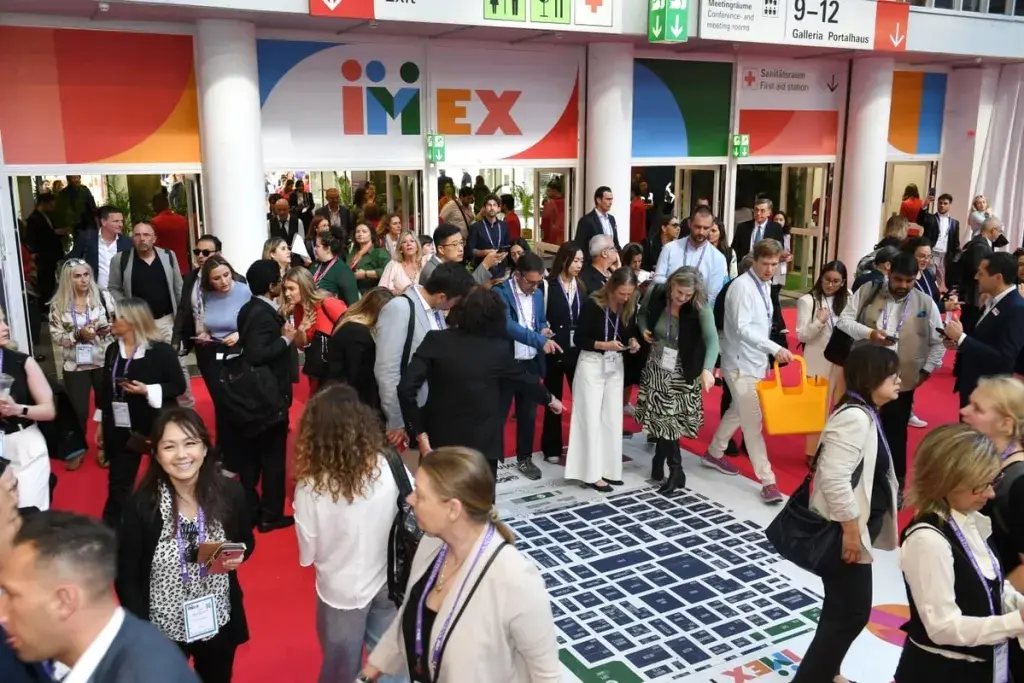
An event is often one of the few opportunities a brand has to create face-to-face interaction with its audience. Every visual and environmental choice influences how attendees perceive the company. From the moment guests walk into the venue, they begin forming impressions about professionalism, creativity, culture, and credibility.
Strong event decoration and design reinforce:
- Brand values
- Messaging consistency
- Emotional connection
- Audience trust
- Long-term brand recognition
Most importantly, strategic design creates a memorable experience—and memorable experiences are what people share, talk about, and remember long after the event ends.
Start with Brand Strategy, Not Decorations
One of the biggest mistakes in event decorating is starting with aesthetics before defining purpose.
Before selecting florals, stage designs, or lounge furniture, planners should first understand the company’s brand strategy. Ask:
- What emotions should attendees feel?
- What message should the event communicate?
- How should the brand be perceived?
- What action should attendees take afterward?
The answers shape every design decision that follows.
For example, a luxury brand may prioritize elegance, minimalism, and exclusivity. A tech startup may lean toward innovation, energy, and interactivity. The design should visually reinforce those qualities.
Successful event branding and design align visual storytelling with strategic messaging.
Visual Storytelling Creates Emotional Connection
At its core, event design and decor are about storytelling.
Every detail within the environment should support the narrative the brand wants to communicate. This includes:
- Color palettes
- Signage
- Lighting
- Furniture
- Stage design
- Digital displays
- Interactive installations
These elements work together to create atmosphere and guide attendee perception.
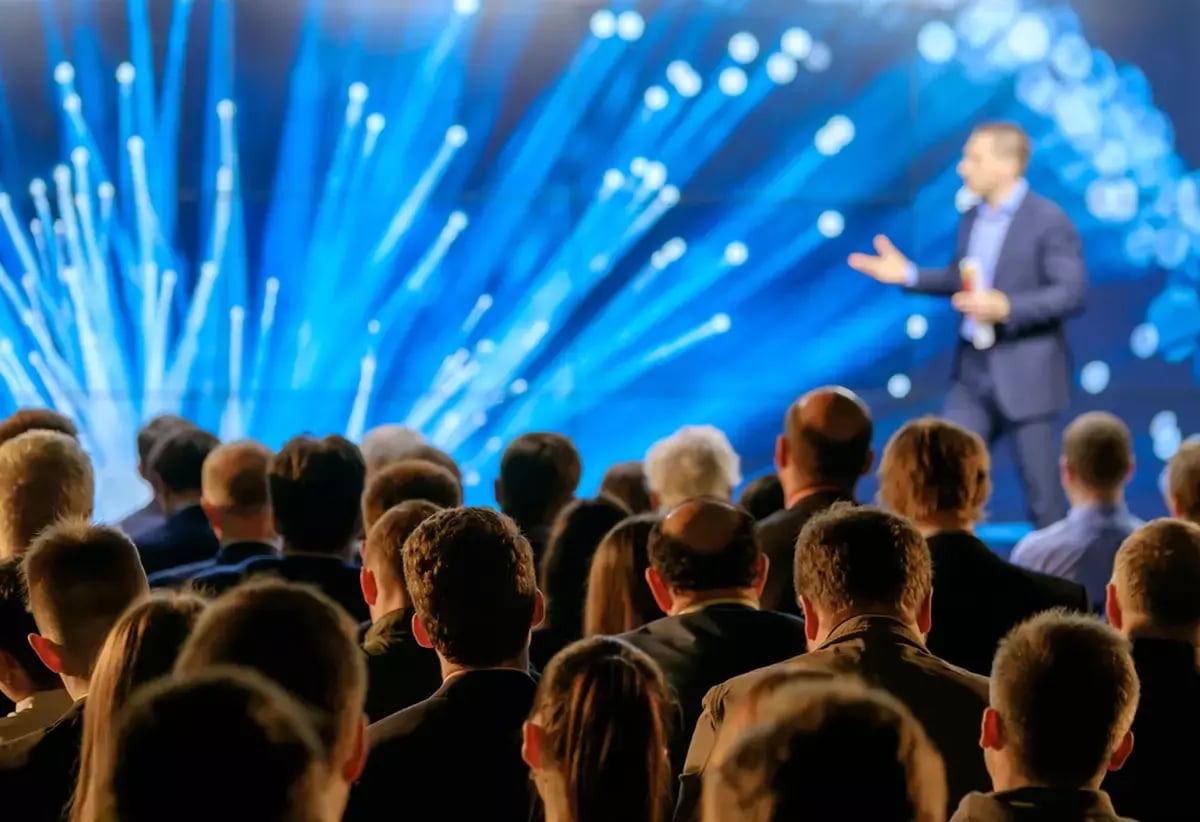
For example, bold lighting and oversized graphics may communicate innovation and energy, while natural textures and earthy tones may emphasize sustainability and wellness.
Consistency matters. When every touchpoint feels connected, attendees experience the brand as intentional and authentic rather than fragmented.
That consistency strengthens both brand awareness and emotional engagement.
How to Decorate an Event Space Strategically
Understanding how to decorate an event space goes beyond filling a room with décor elements. It’s about designing an environment that supports movement, interaction, and experience.
Space planning plays a major role in attendee behavior. Layout decisions influence:
- Networking flow
- Audience engagement
- Accessibility
- Comfort
- Energy levels
For example, open lounge seating may encourage conversation, while immersive installations can drive social sharing and participation.
Different event spaces require different design strategies. A ballroom, warehouse, rooftop, or outdoor venue each present unique opportunities and limitations. Effective planners evaluate:
- Ceiling height
- Natural lighting
- Traffic flow
- Acoustic considerations
- Sightlines
The goal is to maximize the venue’s strengths while ensuring the environment supports the event’s purpose.
When learning how to decorate an event space, functionality should always support aesthetics.
Sensory Design Makes Experiences Memorable
One of the most powerful aspects of modern event decoration and design is sensory engagement.
Great experiences activate more than just visual attention. They engage:
- Sound
- Texture
- Lighting
- Scent
- Interactive participation
Music can shape emotional energy. Lighting can influence mood and focus. Even scent can strengthen memory association with a brand.
Interactive moments also deepen engagement. Branded photo activations, tactile product demos, immersive projections, and live experiences encourage attendees to become active participants rather than passive observers.
The more senses involved, the stronger the emotional connection—and the stronger the brand recognition afterward.
Event Branding Design Must Reflect Audience Expectations
Not every audience responds to the same design approach. Effective event branding design requires understanding attendee expectations and preferences.
For example:
- Executive leadership audiences may expect elevated, polished environments.
- Younger audiences may gravitate toward experiential and social-media-friendly design moments.
- Creative industries may value bold, unconventional aesthetics.
This is where audience research becomes essential.
Strong event branding and design balance brand personality with attendee expectations. The experience should feel authentic to the company while still resonating with the people attending.
That alignment strengthens trust and increases the likelihood that attendees remain emotionally connected to the event afterward.
Technology’s Role in Event Design and Décor
Technology has become deeply integrated into modern event design and decor.
Digital displays, LED walls, projection mapping, and interactive installations allow brands to create immersive storytelling moments that evolve throughout the event.
Technology also allows for personalization. Dynamic content can adapt based on audience participation, time of day, or event programming.
Hybrid and virtual components have expanded the possibilities even further. Brands now design experiences that engage both in-person and digital attendees simultaneously.
The key is intentional integration. Technology should support the story—not distract from it.
Common Mistakes in Event Decorating
Even well-funded events can fall short if the design lacks strategic alignment.
Some common mistakes include:
- Prioritizing trends over brand identity
- Overcrowding event spaces with unnecessary décor
- Inconsistent branding across touchpoints
- Ignoring attendee flow and functionality
- Designing solely for aesthetics without emotional purpose
The most effective event decorating feels cohesive, intentional, and audience-centered.
More décor does not always create more impact. Strategic restraint often creates stronger visual storytelling.
Measuring the Impact of Event Branding and Design
Like every part of experiential marketing, event branding design should support measurable outcomes.
Success can be evaluated through:
- Attendee feedback
- Social media engagement
- Brand recall surveys
- Lead generation
- Photo-sharing activity
- Audience dwell time in activations
When attendees remember specific visual moments or describe the event atmosphere positively, that signals successful emotional engagement.
Strong design creates moments people want to photograph, discuss, and share—extending the event’s reach far beyond the venue itself.
That’s where thoughtful design directly contributes to increased brand awareness and long-term loyalty.
Turning Brands Into Experiences
The most impactful events don’t just communicate a message—they immerse attendees inside it.
That’s the true power of event design and decor.
When strategy, storytelling, sensory engagement, and functionality work together, brands become experiences people can feel. The event becomes more than a gathering; it becomes a living expression of the company’s identity and values.
Thoughtful event branding and design elevate events from transactional to transformational. They create emotional resonance, strengthen audience connection, and leave lasting impressions that continue long after the final guest leaves.
Because in today’s experience-driven world, people may forget the agenda—but they’ll always remember how the event made them feel.
If you’re ready to turn your brand into an unforgettable event experience, expert design support can help bring your vision to life. Our team partners with clients to craft immersive environments that reflect your brand and engage your audience. Contact us to start planning