
We Turned Our Team Into Baseball Cards. Here's Why It Worked.
Every team has tried the icebreaker that didn't take - the forced happy hour, the two truths and a lie nobody remembers by Friday. We wanted something people would actually hold onto, so we gave our own team a season.
START WITH THE OUTCOME, NOT THE ACTIVITY
We didn't set out to plan a fun team activity. We started with a narrower question: what would make someone on the creative team stop and ask someone in finance a real question - not a scheduled icebreaker question, a real one? That's a different design brief than "let's do something fun for the team," and it led somewhere we wouldn't have landed by starting with the activity first.
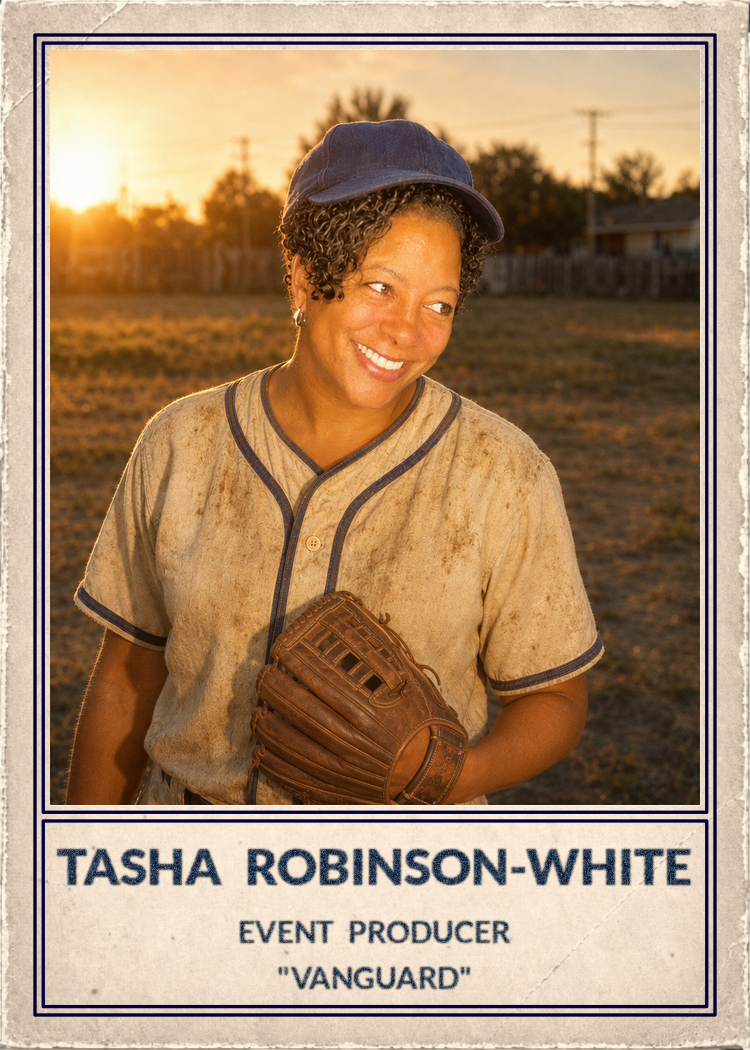
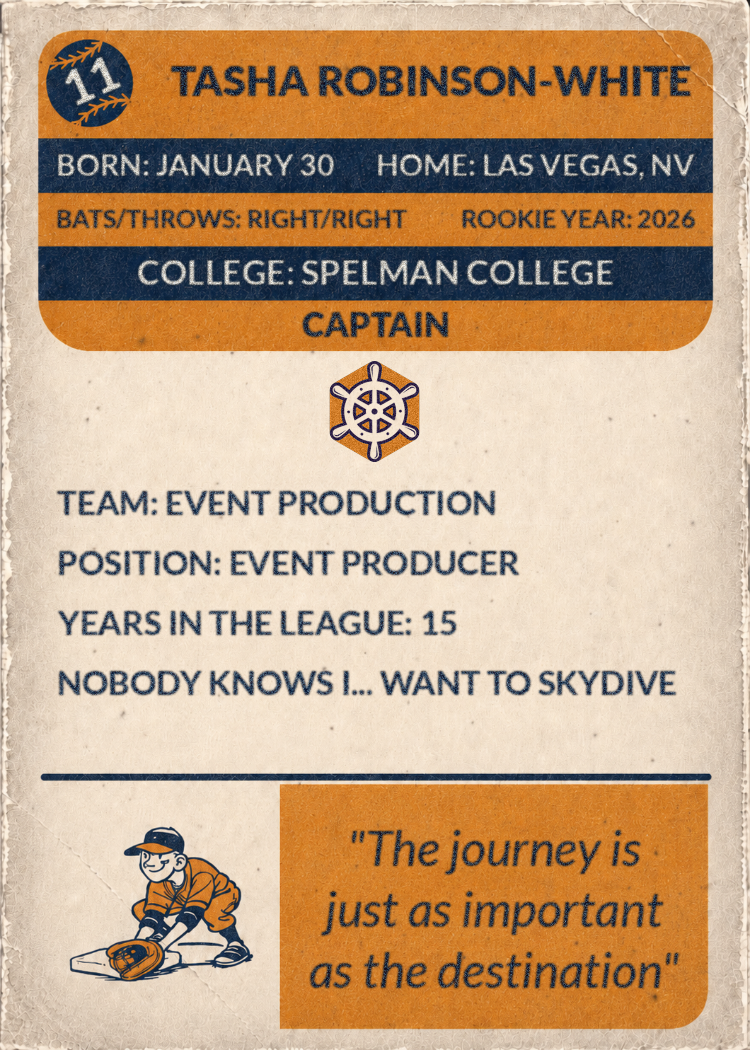
The answer we built toward: a set of vintage-style trading cards, one per team member, with a front built for identity and a back built for curiosity.
.png?width=750&height=1050&name=ally@imprintgroup.com_card_front%20(1).png)
|
|
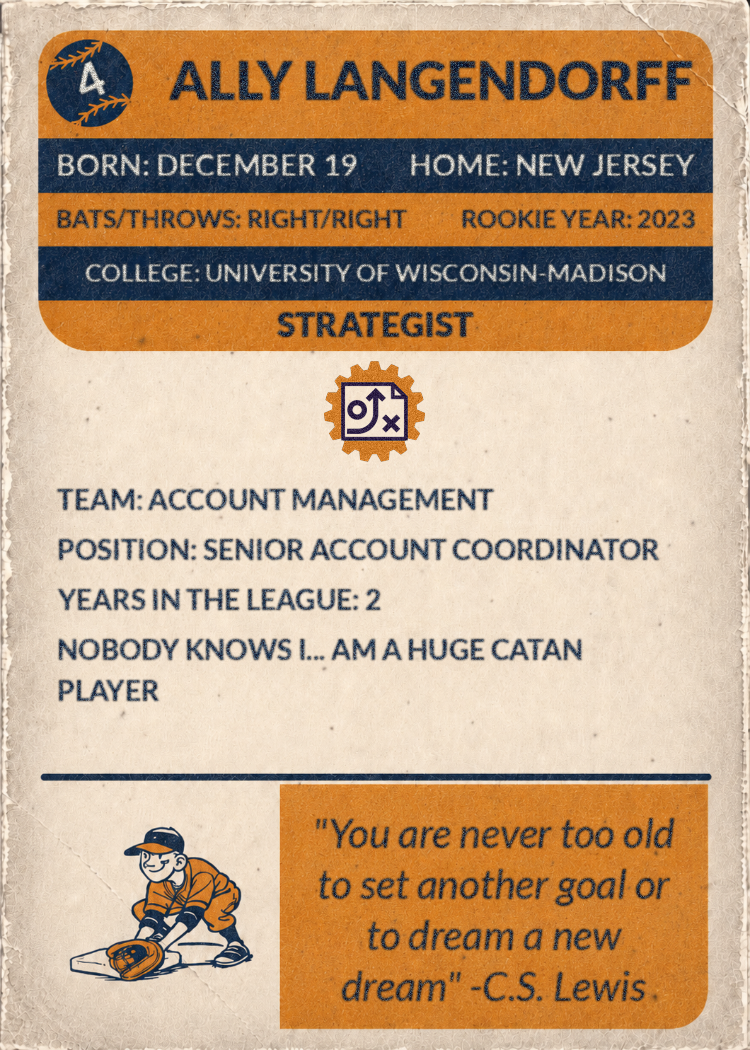
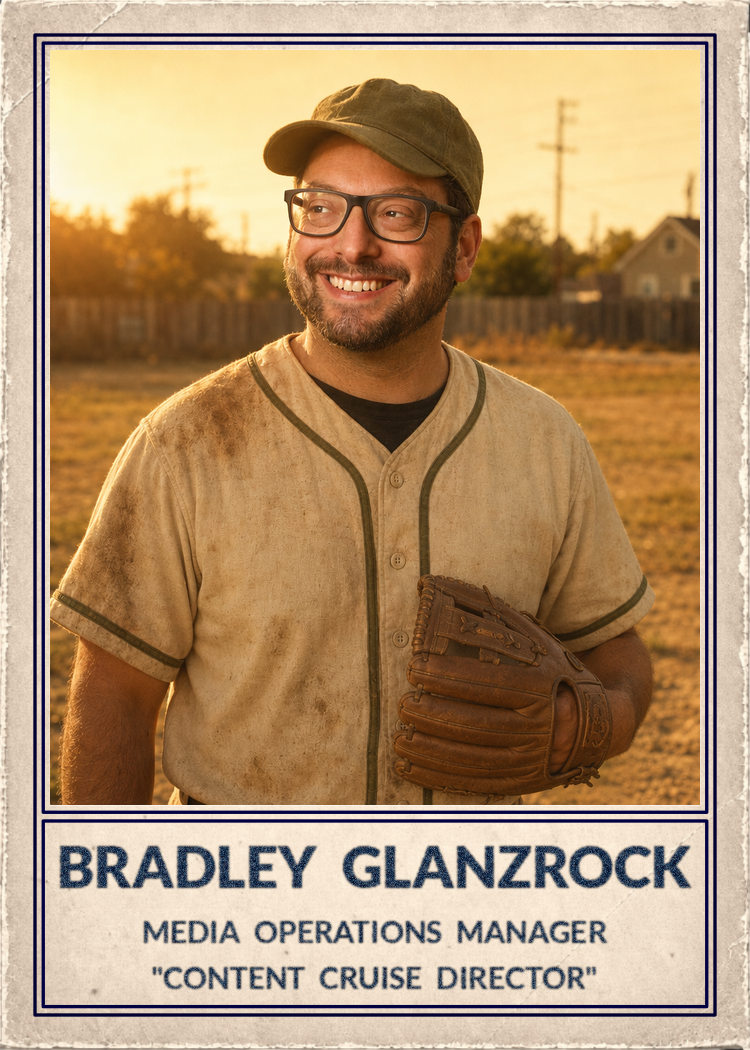
On the front: name, title, and their fun title, which shows their personality. Ally Langendorff's card reads "The Sparkler." We didn't have to explain it - anyone who's worked a late load-in with her already knows why.
|
|
|
 |
THE REAL DESIGN LIVES ON THE BACK
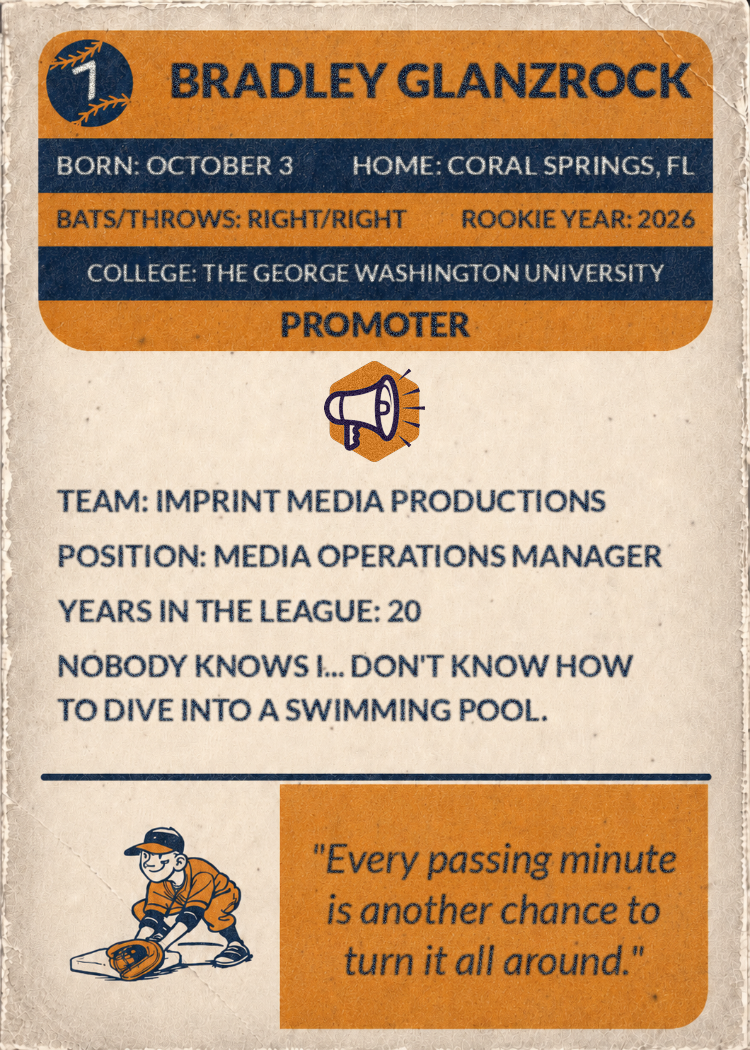
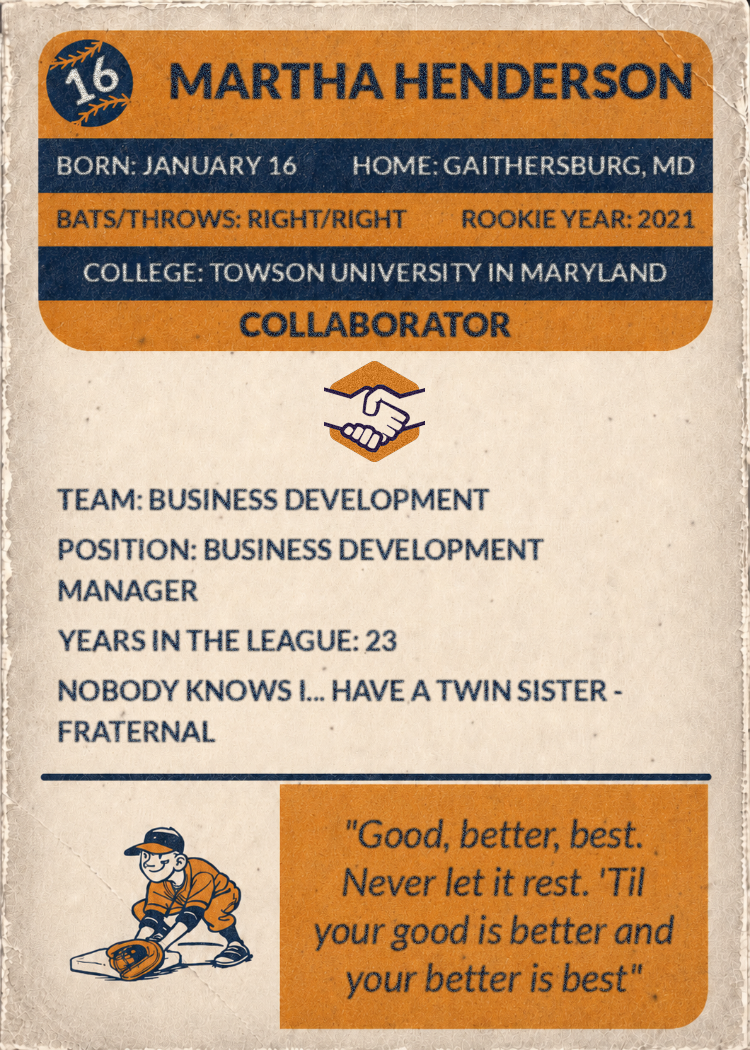
The front sells the idea. The back is where the actual exchange happens - hometown, college, years in the league, a stat line pulled straight from the back of a real baseball card. And one line that does more work than the rest: "Nobody knows I..."
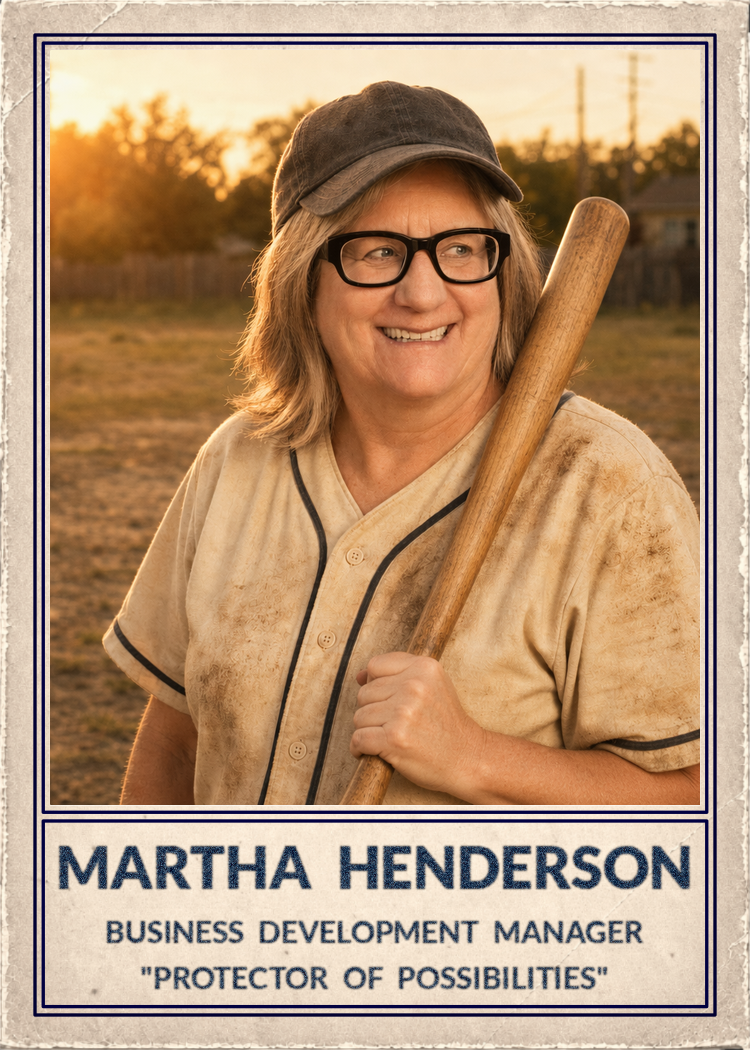
5 years with Imprint, and it took a fake baseball card to tell half the office that Martha Henderson has a twin sister. That's not something that comes up in a Slack intro thread or an org chart. It came up because someone flipped a card over.
 |
|
Martha Henderson's card, front and back.
Rafael Rivera's card gave up a different secret - eighteen years in the business, and "great public speaker" was the one nobody had filed away. It's a small detail. It's also exactly the kind of detail that creates connection and value.
|
|
|
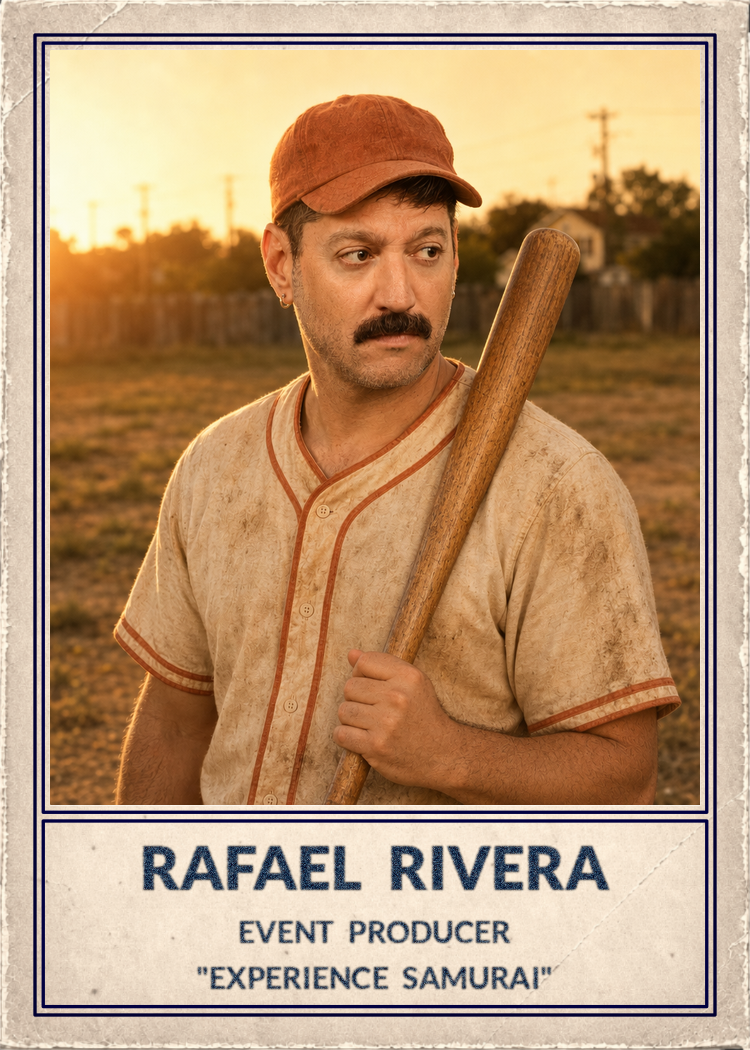
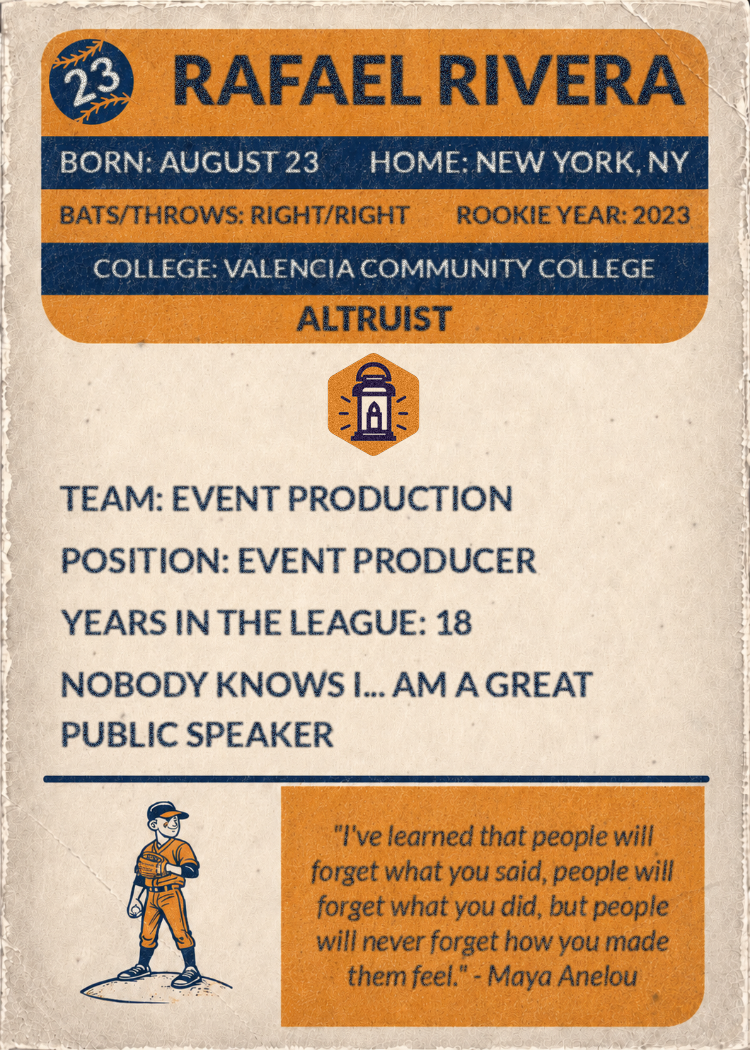
Rafael Rivera's card, front and back.
DIGITAL AND PRINTED AREN'T COMPETING FORMATS
We built both a digital version and a printed one, and neither is the backup for the other. The digital set lives where people are already looking - an intranet, a directory, the place someone lands when they're trying to remember who runs media operations. The printed set lives where people actually are - taped to a monitor, tucked in a desk drawer, handed across a table during onboarding.
A digital card is easy to make and easy to skim past. A card someone can pick up creates a felt sense of the person behind it that a directory entry doesn't. That's the whole reason the physical version exists - not as a nicer copy of the digital one, but as a different kind of proof.
WHAT ACTUALLY CHANGED
We weren't chasing a survey score. What we noticed instead: people started asking questions they hadn't had a natural opening for before - about a hometown, what music they're listening to, a hobby buried in a stat line. New hires picked up the 'who's who' of the company faster than an org chart ever gave them, and with a lot more personality attached to each name. A yes-or-no engagement question doesn't catch that. It shows up in the second question someone asks after the first one lands - proof that work, and the connections inside it, mean more when people get a real reason to know each other instead of an instruction to.
HOW TO BUILD YOUR OWN ROSTER
- Design the front for identity, not job title. Ask people what their team already calls them - the nickname is doing more work than the role ever will.
- Reserve the back for a question people wouldn't otherwise get asked. A "nobody knows I..." line beats a fun-fact icebreaker because it stays private until someone flips the card.
- Build both a physical and a digital version, and give each one its own job - digital for discovery, physical for the desk, the wallet, the corkboard.
- Let the format have a sense of humor about itself. A vintage baseball aesthetic works because it doesn't take the org chart too seriously - and neither should you.
- Keep the set living somewhere people can come back to - an intranet page, a shared directory - not a one-time email that scrolls out of sight. The value shows up months later, when someone pulls up a card before a first meeting with that person.
Your team's culture deserves better than a values poster. Let's design something worth holding onto.
FREQUENTLY ASKED QUESTIONS
WHAT ARE SOME CREATIVE EMPLOYEE ENGAGEMENT IDEAS BEYOND STANDARD TEAM BUILDING ACTIVITIES?
The ones that tend to work aren't scheduled events at all. They're small physical or visual objects - a trading card, a custom title, a printed keepsake - that give people a reason to ask each other real questions without needing an icebreaker to prompt it.
HOW DO YOU HELP HYBRID OR REMOTE TEAMS CONNECT WITHOUT FORCING IT?
Give people something to discover on their own timeline. A digital card someone can browse when they're curious does more than a mandatory video call, and it works whether someone's in the office or three time zones away.
DOES A PRINTED KEEPSAKE MATTER IF MOST OF THE TEAM WORKS REMOTELY?
It matters more, not less. A physical card that ships to someone's home office is one of the few company touches that shows up outside a screen.
COULD THIS CONCEPT WORK FOR A CLIENT-FACING EVENT INSTEAD OF AN INTERNAL ONE?
Yes - the same front-and-back structure, identity plus a personal detail, works well for VIP attendee gifts, speaker lineups, or staff introductions at a client event.